Information has been changing about SARS-CoV-2 so quickly in the past few days that I wanted to let the news settle before making my next post. Since we’re now being recommended by the CDC to wear face masks, even fabric ones, I figure now is a good time to talk about what makes COVID-19 so dangerous.
Our understanding of viruses has changed dramatically in the past 20 years as we have learned more about how they work. Viruses that affect human cells are mostly spherical in shape and studded with proteins that help them assemble and attach to human cells with an internal “payload” that encodes how to make more viruses and help them propagate.
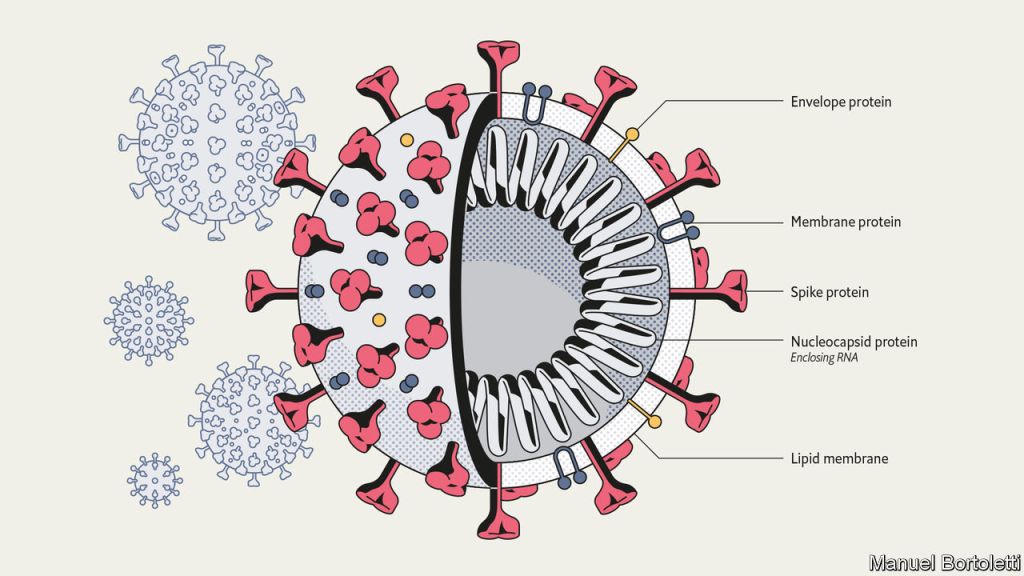
Viruses work by infiltrating cells, releasing their payload, and taking over the cell’s machinery to make more viruses. Rinse and repeat for the spread from cell to cell. For SARS-Cov-2 the spike protein fits into a receptor on some cells that line the surface of the mouth and throat as well as cells in the lungs, colon, gallbladder, hearts, and many more. Other viruses also target this receptor as well, like the previous SARS causing virus and other mild corona viruses. Any virus that uses a receptor as an attachment point is dependent on how well the protein fits into the receptor like puzzle pieces. Biology is a case of “best fit” where a lot of receptors can fit a variety of molecules, including some from disease causing pathogens.
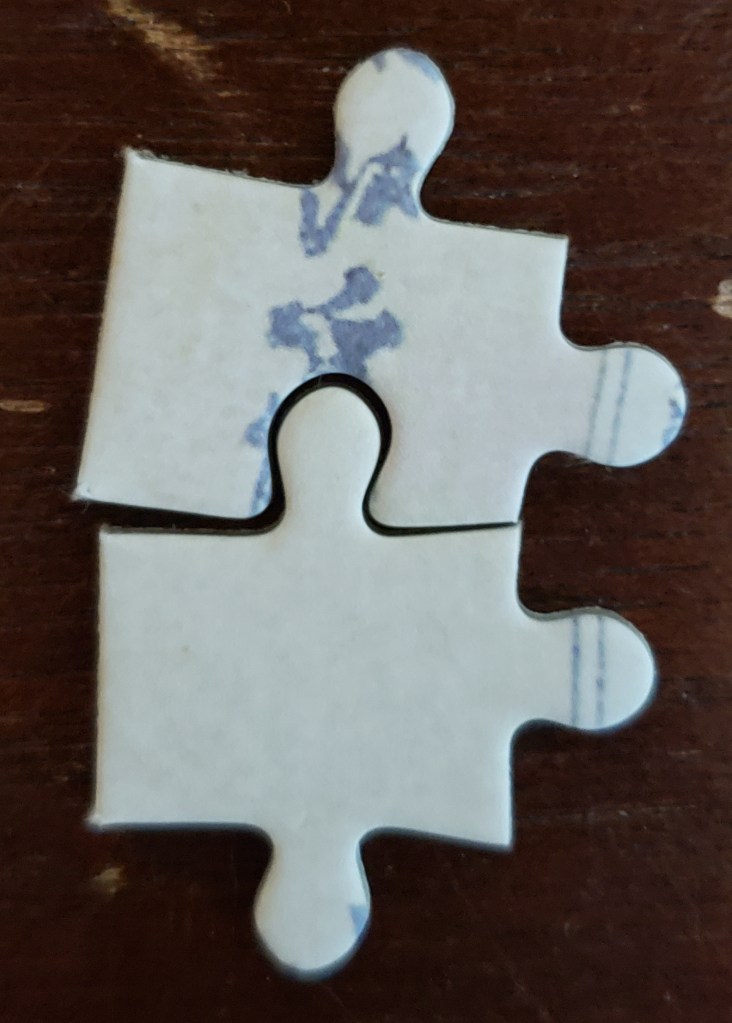
An improper fit 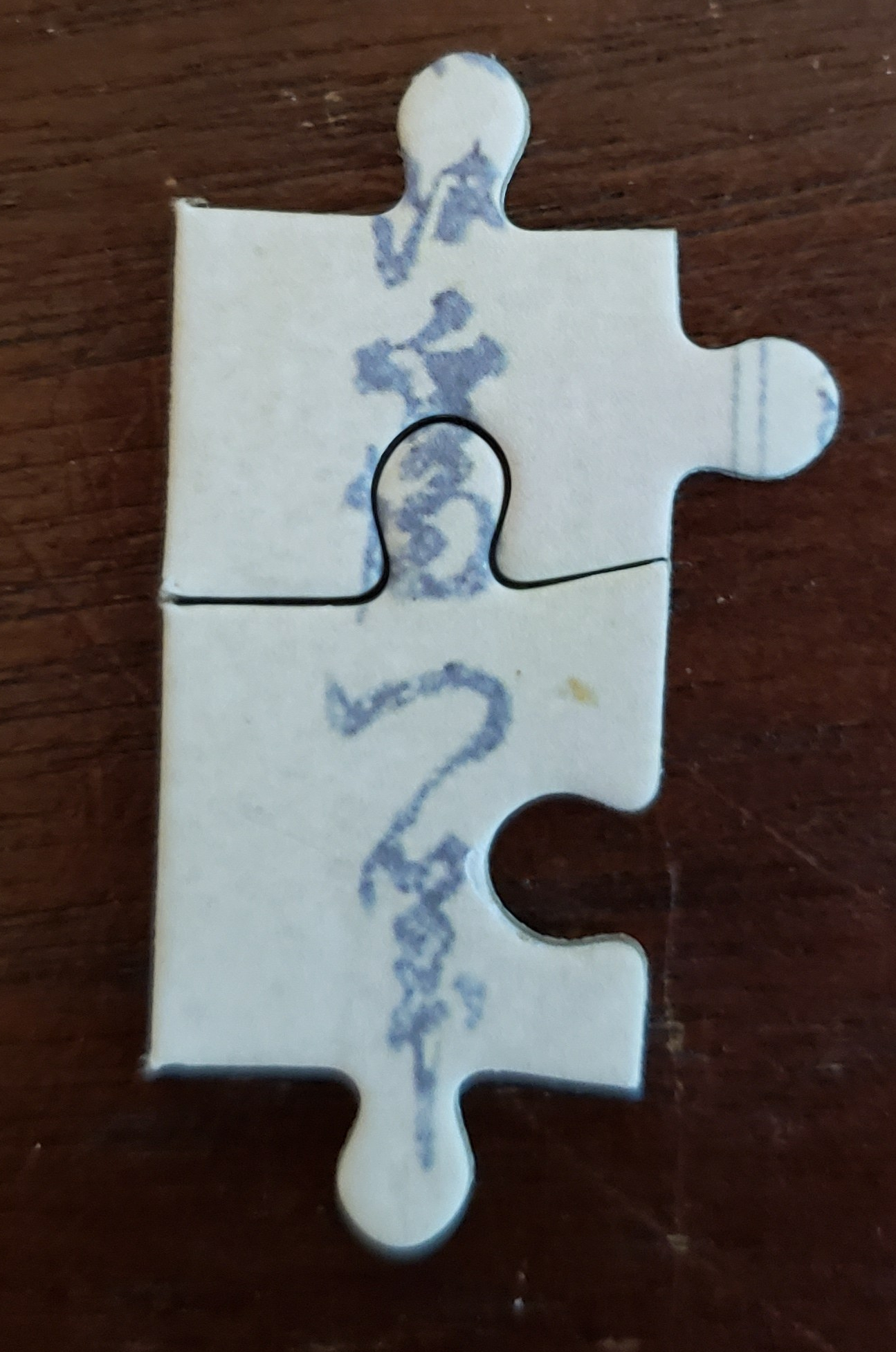
A proper fit
SARS-CoV-2 is a really good fit for the ACE2 receptor, surpassing all previous corona viruses. Because the virus has such a good fit, it is able to enter the cell more easily and cause the cell to create more viruses. This is where the current virus really excels and what makes it so efficient at spreading.
There is a measurement used in epidemiology to study how well diseases can spread called R0 that represents how many people 1 infected person can spread the disease to. The R0 for the flu is 1, meaning 1 person with the flu is likely to make just 1 other person sick, while the R0 for measles is 18 meaning 1 person measles with likely to make 18 other people sick. (Note: measles is one of the best spreading diseases in mankind) COVID-19 has an R0 of 2.28, so each person with COVID-19 is able to spread it to at least 2 other people if it is spread uninterrupted, because of this it has exponential growth 1, 3, 12, 156, 24,492 etc. We don’t see these numbers on a day to day basis because the virus needs time to incubate in a new host and be able to spread.
Spreading to another host can be difficult as the virus has to have a way to make it out of one body and into another. Some diseases like Ebola and HIV are carried in the blood and other bodily fluids which make contact with those fluids very high risk for catching the disease. Other diseases like COVID19, the flu, and common colds are spread through respiratory droplets. When you sneeze, talk, or even breath you always spread some respiratory droplets, if you are sick then diseases can hitch a ride on those droplets and spread to other people.

Once the virus escapes its host, it has to survive outside the body to reach the next host. Each virus is only able to survive so well outside of the body. In my last post I discussed the ability of SARS-CoV-2 to survive on different surfaces. The times listed are how long the virus can survive on a surface and remain infectious. Every disease has its own tolerance of conditions which affects its surface viability. If a disease is still viable on a surface it is able to infect you if you touch the surface and then bring your hand to your face. This is why washing your hands is important because (1) you don’t know what’s on what you have touched and (2) it prevents those diseases from hitch a direct ride to your face.
Once a person has become infected, diseases have a period of time, known as the incubation period, until they can experience symptoms or spread the disease. For COVID-19, the incubation period is on average 5 days with a range of 1-14 days between infection and symptoms. In a typical disease, once you have symptoms you are capable of spreading that disease. But SARS-CoV-2 has added a new page in the plague handbook, recent research has found something very unusual where not all people infected with SARS-CoV-2 experience symptoms before they are capable of spreading disease.
Scientists and Health Experts have performed extensive testing and validation in different populations to verify that this is indeed the case. In fact, on the 2nd of April, 2020 the CDC updated its recommendations on mask use to recommending that everyone wear some kind of mask outside of the home. While the science on using cloth masks has been mixed, since we now know that up to 50% of the population infected with SARS-Cov-2 and capable of spreading the disease show no symptoms, it is best to minimize these asymptomatic carriers capacity to spread the virus by having them wear face coverings at all time in public.
If you already have surgical masks, now is the time to break them out. If you have some skill at sewing and some extra fabric, or old t-shirts/sheets/etc, you can make your own masks at home. Simple patterns can be found all over the internet, but I like this one here (https://www.craftpassion.com/face-mask-sewing-pattern/) for its simplicity and design. Use contrasting colors to easily identify front and back as well as using a heavier fabric for the outer layer if at all possible. Closer weaves help minimize the respiratory droplets you release when talking and breathing. Since I work in a hospital and receive a surgical mask daily, I have modified a training mask to hold pieces of the surgical mask to help decrease how many surgical masks I wear in a week.
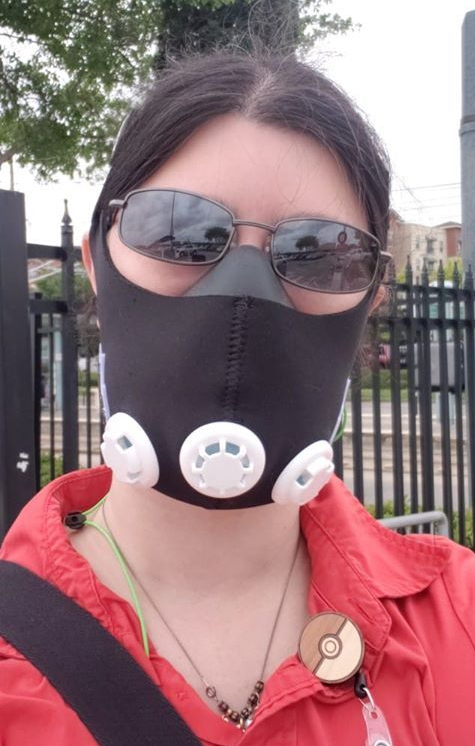
We will ride eternal, shiny and chrome.
A couple things to follow for our new normal:
- Wash your hands and check your temperature before leaving your home (if you have a fever, STAY HOME)
- Change your mask daily
- Avoid touching the outside of the mask after use
- Immediately wash your hands after returning home
- Wash cloth masks before reusing
- Wash your hands after blowing your nose
- Take extra precautions if someone in the house is immune compromised or at risk such as changing clothes and minimize leaving the house
That’s it for today! Stay safe everyone and we will get through this together,
-Colleen
 PMP in the Lab
The Mad Max: Fury Road reference made me smile.
LikeLike